St John's & Parishes · St John's
Inside the Museum of Antigua and Barbuda's Old Court House
A question-by-question walk through the Court House follows the museum’s collection from the first peoples of Antigua to the road to independence.
- Parish
- St John
- From St John's
- 5 minutes
- Reading
- 4 min
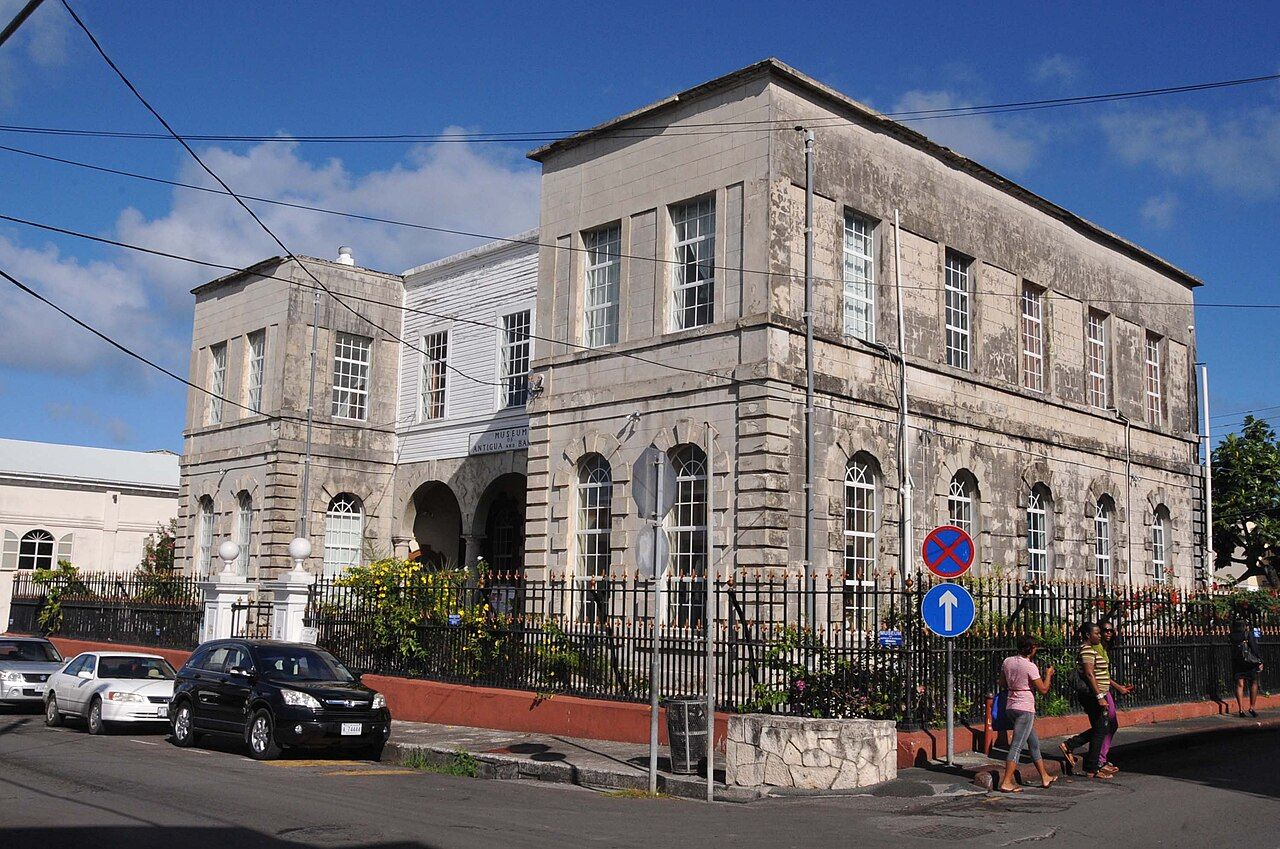
1750 is the year the Court House in St John’s was completed. The Museum of Antigua and Barbuda is housed there now, on Long Street in St John’s, inside a building that’s among the town’s oldest. So, myth: this is a museum where the building is only a backdrop. Fact: the Court House has a story of its own, and the collection inside gives visitors another one to follow, from the first peoples of Antigua to independence. How do those two stories sit together? That’s the useful question to carry through the exhibits.
Myth and fact
Myth: The old Court House is just an address. Fact: It’s part of the setting for the museum. The Court House was completed in 1750, and Long Street runs close to the waterfront. The museum’s address gives the walk-through a particular starting point: the structure itself, on a street with a long place in St John’s, before the collection opens onto much earlier chapters. Nearby, the market and the old quays offer another point of reference for Long Street’s position. The building and its location aren’t the collection’s whole story, but they’re there from the beginning.
Myth: A building this old has simply stood unchanged. Fact: The Court House was damaged by earthquakes in 1843 and 1974, and repaired after each. That’s a straightforward record of damage and repair, not a claim that the building has been untouched by time. The museum opened in the Court House in 1985, bringing its collection into a structure with its own history. The two strands meet here: the story of the building, with its repairs, and the story told through the objects and exhibits inside. No need to make them the same story; it’s enough to notice that both are part of the place.
Myth: The collection starts with the Court House. Fact: It starts much earlier, with tools and pottery from the first peoples of Antigua. That starting point changes the scale of the walk-through. The Court House gives a year for one building; the tools and pottery lead to people who lived on Antigua before the later subjects in the collection. A museum visit can hold those very different spans of time without pretending that the objects all tell one kind of story. The collection begins with tools and pottery from the first peoples of Antigua.
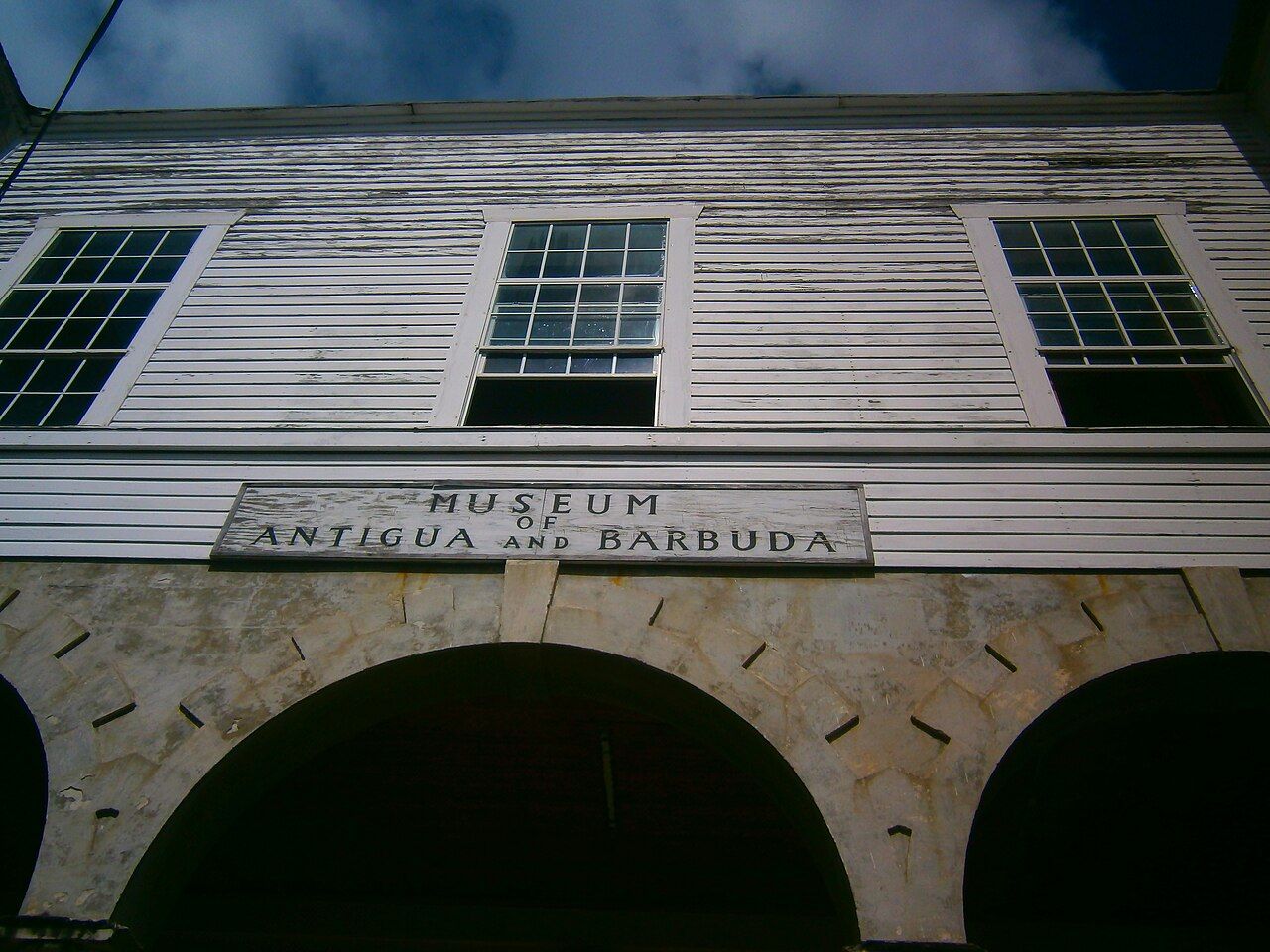
The collection begins with tools and pottery from the first peoples of Antigua.
Myth: The first peoples appear only through objects in a case. Fact: A reconstructed Arawak-style house stands inside the museum, too. Alongside the tools and pottery, there’s a house form to take in. It makes the collection more than a list of objects to name and pass by: the museum includes a reconstruction as well as things made and used. The wording matters here. It’s an Arawak-style house, a reconstruction, not a claim that the house is an original structure. That distinction keeps the description close to what’s actually there.
Myth: The story stays in the distant past. Fact: Exhibits cover the sugar plantations and slavery on Antigua. These subjects carry the walk-through into another part of the islands’ history, after its starting point with the first peoples. There’s no need to fold them into a quick transition or pretend that every exhibit does the same work. The collection names both plantations and slavery, and both belong in the account the museum presents. The path from early tools and pottery to these exhibits makes for a broad span, but each subject remains its own part of that history.
Myth: A museum collection is all ancient history. Fact: There’s also a cricket bat used by Sir Vivian Richards. It’s a particular object, tied to a named person, within a collection that reaches across very different parts of Antigua’s story. Its presence makes “history” feel less like a label reserved for the distant past. A bat can belong in the story, too; the museum’s collection isn’t limited to one period or one kind of object. The contrast with the tools and pottery is clear, and that range is part of what the walk-through brings together.
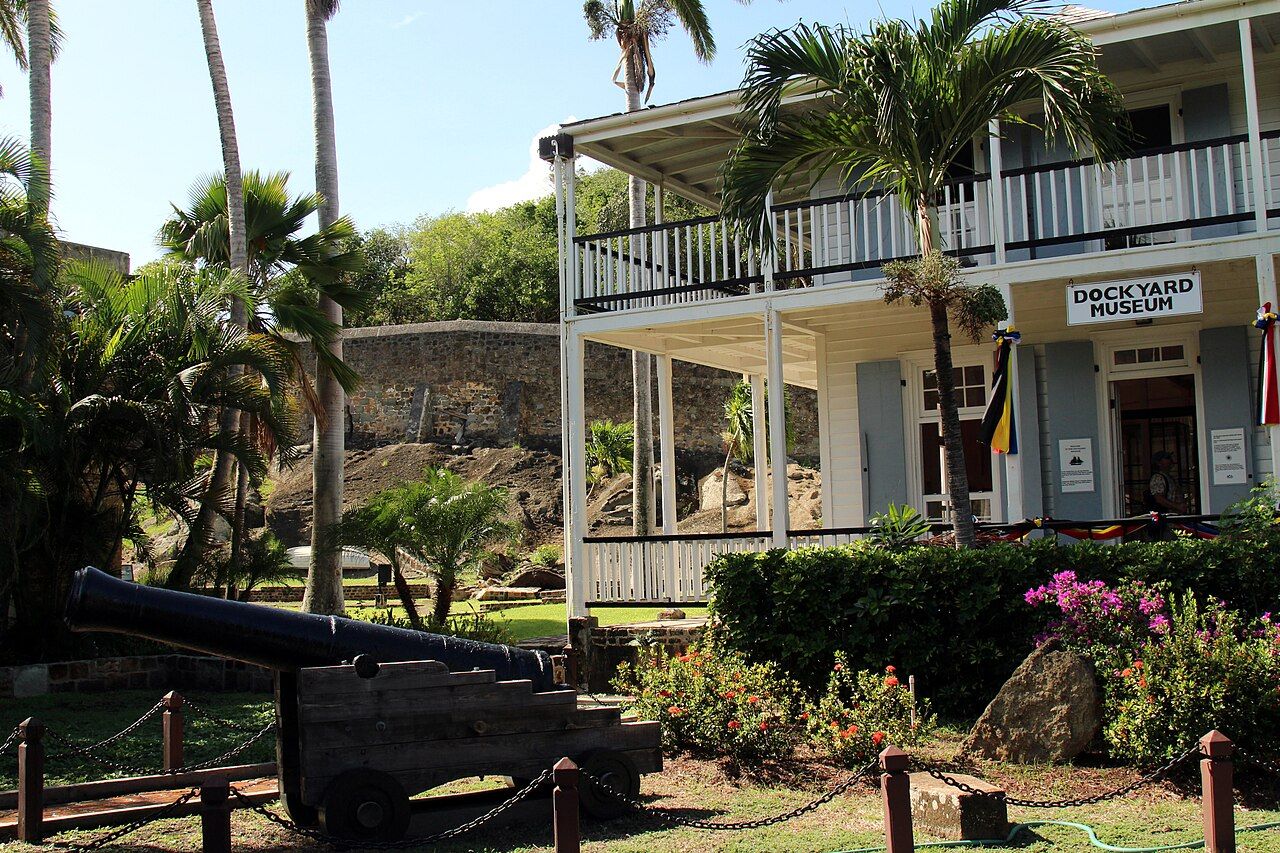
Myth: The story stops before independence. Fact: The museum also covers the road to independence in 1981. That gives the collection a later point in its sweep, after the first peoples, the sugar plantations and slavery, and the cricket bat. Those subjects aren’t interchangeable, and they don’t need to be. The point is the span: the museum brings different parts of Antigua’s history into one visit without making them sound alike. Starting in the Court House, then, doesn’t mean the story is only about the building or the street it stands on.
And is the museum only its exhibits? Not quite. The museum is run by the Historical and Archaeological Society, a voluntary body, which keeps a research library and archive. Those are part of the institution, even though they aren’t the same as walking past an object on display. The collection, the Court House, and the society’s library and archive each bring a different element to the experience. Long Street runs close to the waterfront, and the museum’s own route stretches much further back than the date on the Court House. What connection between the building and the collection would stay with you?
The numbers: completed in 1750; earthquakes in 1843 and 1974; museum opened in 1985; independence in 1981.
Photo credits: JERRYE & ROY KLOTZ MD: Creative Commons BY-SA 3.0; Ulises Icardi: Creative Commons BY-SA 4.0; Thank You (23 Millions+) views: Creative Commons BY 2.0.


