Hikes, Reefs & Barbuda · Great Bird Island
Great Bird Island and the Antiguan racer’s return
A small offshore island held the last known Antiguan racers, and rat removal helped turn a narrow survival story into a wider recovery.
- Parish
- St George
- From St John's
- by boat from the north-east coast
- Reading
- 4 min
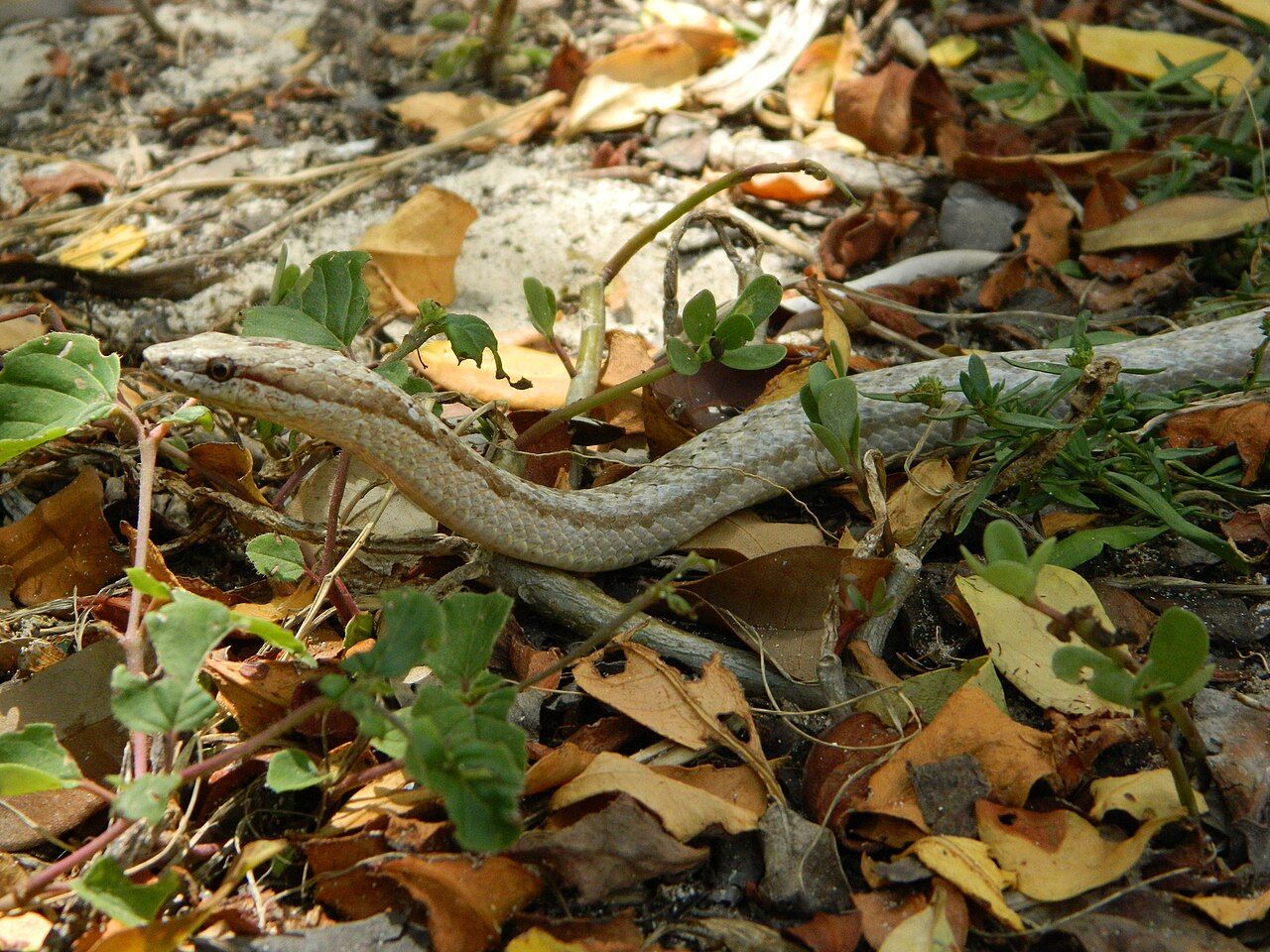
About 50 Antiguan racers were thought to remain in 1995, and every one of them was on Great Bird Island. That’s the striking starting point for this story: a small island off Antigua’s north-east coast, and a harmless, slow-moving snake with nowhere else left to be found. Today, the number of racers has grown to more than a thousand. How did that change happen?
What is Great Bird Island? It’s a small offshore island, with a small beach and a low hill that looks out over the reefs. Those are the simple pieces of the setting; the larger story is what happened there. Great Bird Island became the place where the remaining Antiguan racers survived, and where the work to protect them began to turn around their prospects.
Why was the racer in trouble? Rats introduced by people ate the snake’s food and eggs, threatening its survival. It’s a straightforward chain, but a grim one: the rats affected what the racers could eat and whether new racers could hatch. By 1995, the population was thought to have fallen to about 50, all on this one small island. A snake found only on a few islands off Antigua had been reduced to a single refuge.
What changed on Great Bird Island? Rats were removed from the island in the 1990s to save the Antiguan racer. That removal is the hinge in the story. The island had held the remaining snakes, but the threat to their food and eggs needed to be addressed for their survival to have a chance. The work was led by the Environmental Awareness Group, an Antiguan conservation charity.
Removing rats changed the racer's odds, and the next part of the work was giving it other islands back. That’s the sentence to keep in view as the story widens beyond Great Bird Island: rats were cleared from other offshore islands, and the Antiguan racer was returned to them. The snake had been found only on a few islands off Antigua; its recovery meant it could once again be found across more than its last refuge.
Removing rats changed the racer's odds, and the next part of the work was giving it other islands back.
How much has the population grown? The number of Antiguan racers has grown to more than a thousand. That’s a big change from the roughly 50 thought to remain in 1995, though the figures tell only part of it. The other part is the return to offshore islands after rats were cleared. The conservation work isn’t just about keeping a small remnant on Great Bird Island; it has helped the racer occupy other islands again.
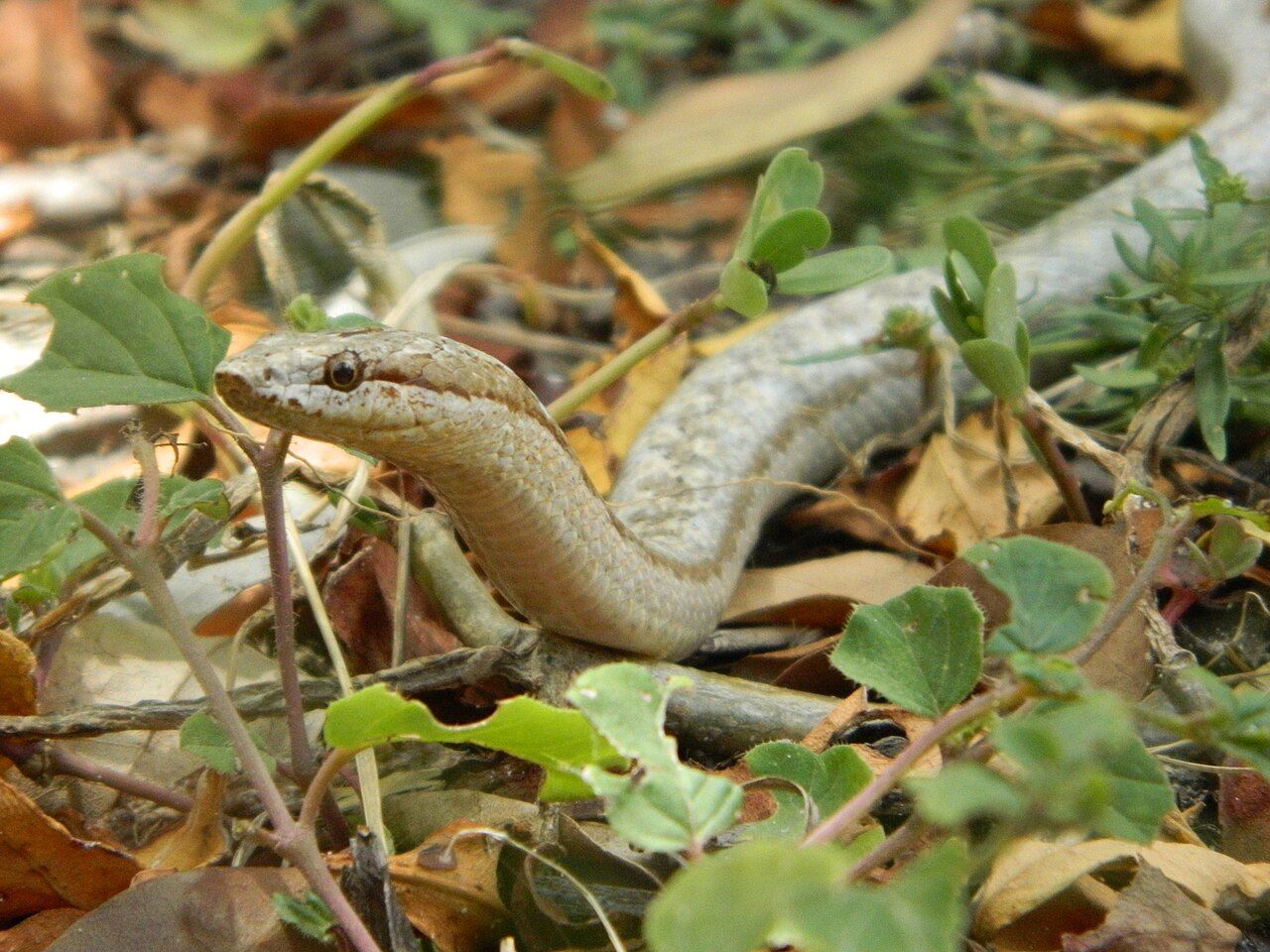
Who led the work? The Environmental Awareness Group, an Antiguan conservation charity, has led the effort to protect the racer. The island’s rat removal and the return of racers to other cleared islands are part of that wider work. That’s a clear conservation success story, with an island at its center.
What else lives here? Seabirds such as red-billed tropicbirds and laughing gulls nest on Great Bird Island. BirdLife International lists Antigua's north-east offshore islands as an Important Bird Area. The wider offshore picture includes a vast seabird colony to the north, too. Great Bird Island lies within the North East Marine Management Area, so the story here sits alongside a broader marine setting of islands, reefs and nesting seabirds (and a snake whose survival depended on what happened on land).
Is this only a story about one snake? It begins with the Antiguan racer, but it also shows what removing rats from offshore islands made possible. On Great Bird Island, the racer had been reduced to a population thought to number about 50. After rats were removed, the snake was returned to other islands once rats were cleared there, and the total grew to more than a thousand. The steps are specific, and the result is visible in the change from one refuge to a wider recovery.
What does the island look like beyond the numbers? A small beach meets the low hill, with views over the reefs. It’s a spare little picture, but it holds both parts of the story: an offshore island with seabirds nesting there, and a refuge that helped keep the Antiguan racer from disappearing. Great Bird Island is small; what happened there reached beyond it, to other islands where the racer could return.
Why tell the story here? Because the numbers have moved in the right direction, and the reasons are plain. Rats introduced by people threatened the racer’s food and eggs. Their removal from Great Bird Island in the 1990s helped save it; clearing rats from other offshore islands made it possible to return the snake there. The Antiguan racer is harmless and slow-moving, but its survival depended on a focused piece of conservation work. What other recoveries might begin with a small island?
The numbers: Great Bird Island is in St George, off Antigua’s north-east coast, and reached by boat from the north-east coast. About 50 racers were thought to remain in 1995; the number has grown to more than a thousand. What might return next?
Photo credits: Louis Imbeau: Creative Commons BY 4.0; Louis Imbeau: Creative Commons BY 4.0.

