History · Betty's Hope
Two Mill Towers, a Long Sugar Story
A pair of stone windmills opens onto the story of an early sugar estate, its owners, its machinery and the hundreds of enslaved Africans who worked there.
- Parish
- St Peter
- From St John's
- 25 minutes
- Reading
- 3 min
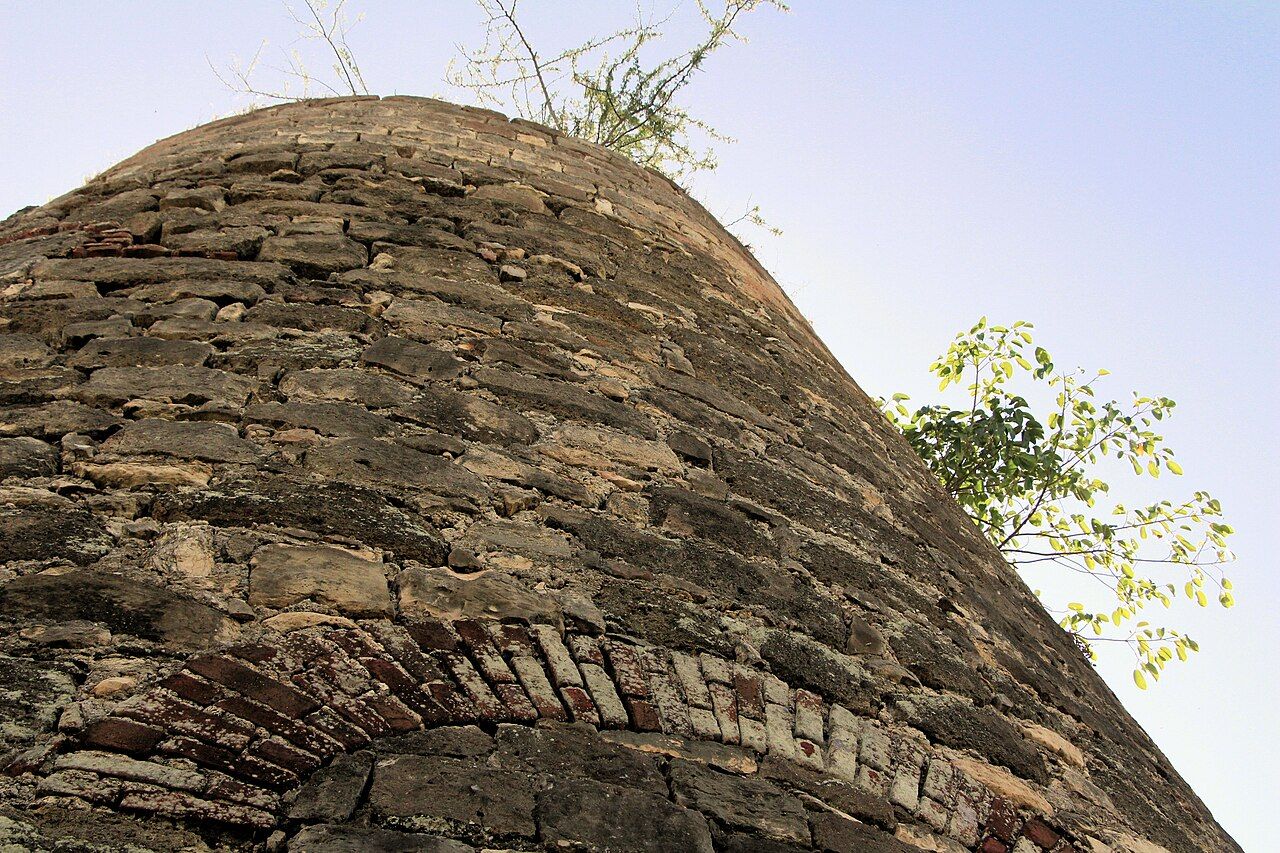
Imagine trying to fit an estate’s long story into a small scene: stone towers, sails and machinery, and the cane they once crushed. That’s a beginning, not the whole account. Founded in the 1650s in the parish of St Peter, Betty's Hope was among Antigua's earliest large-scale sugar plantations. The scene has its turning parts, but it also has a history that can’t be reduced to the mechanism.
Myth and fact
Myth: This is just a pair of old mills. Fact: Two stone windmill towers stand at the estate, but they belonged to a larger sugar operation. The windmills crushed sugar cane to extract its juice, and the ruins of the boiling house show the next part of the process: cane juice was boiled into sugar. The towers tell only part of the story. Their shape draws the eye; the work they were built for gives them context.
The towers tell only part of the story.
Myth: The mills explain the whole sugar story. Fact: The machinery shows how cane became sugar, but the people who worked there belong in the account, too. Hundreds of enslaved Africans worked at the estate during the plantation era. That isn’t a detail to tuck away after the machinery, as if the estate were only a set of working parts. The windmills and boiling house describe a process; the fact of enslavement describes the human reality of the plantation.
Myth: A restored windmill means the estate’s history is mainly about how the machinery worked. Fact: One of the windmills was restored to working order in the 1990s, with its sails and machinery. That makes the mechanics easier to imagine: sails, machinery, cane crushed for juice. But a working mill can’t stand in for the whole estate. It can help explain sugar production, while the people who were enslaved there remain central to understanding what that production rested on.
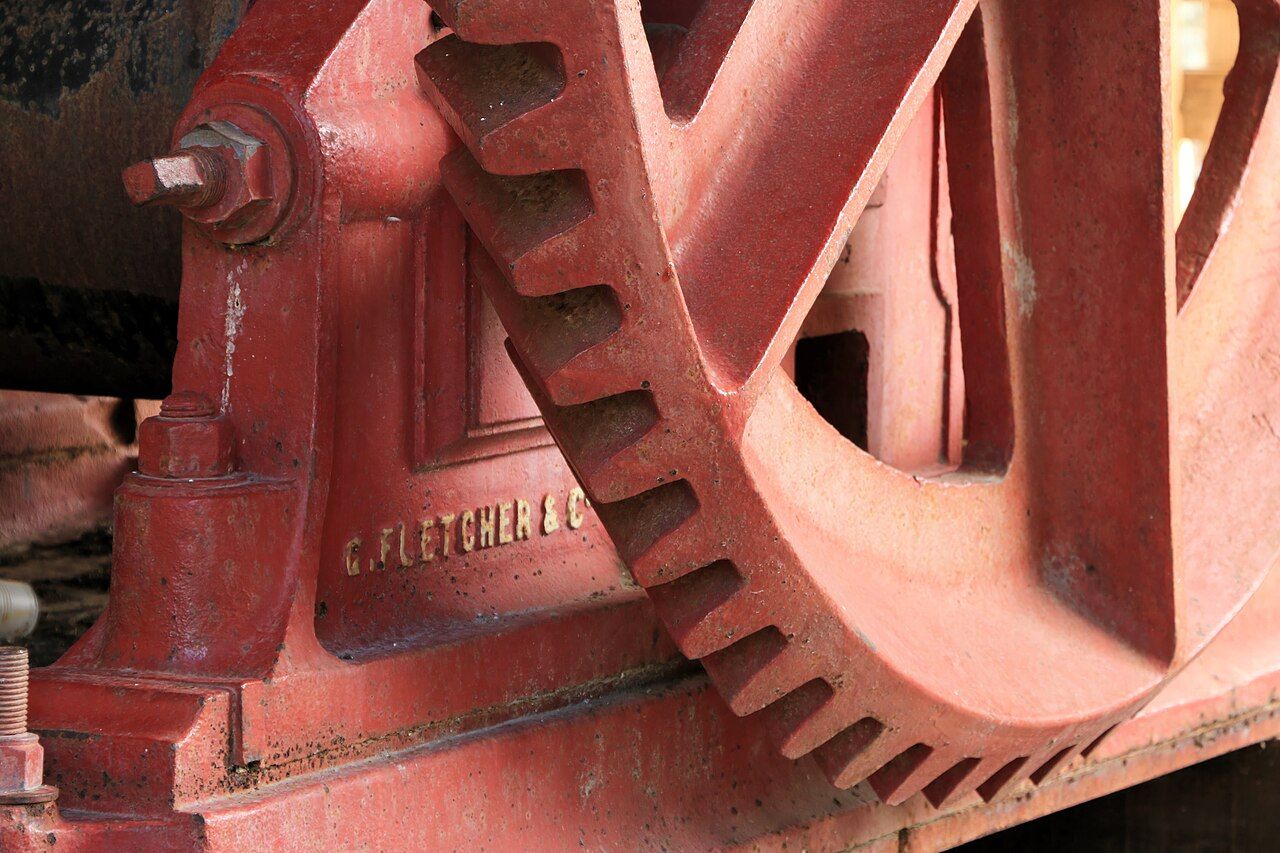
Myth: The ruins are just a backdrop to the mills. Fact: The boiling-house ruins point to a different stage of sugar making. The windmills crushed cane; in the boiling house, its juice was boiled into sugar. That connection matters because it turns separate structures into parts of the same process. The stone towers aren’t an isolated curiosity, and the boiling-house ruins aren’t merely old walls. Together, they help tell the story of the estate as a place where cane was processed.
Myth: This was a short-lived estate with an easy-to-summarize ownership story. Fact: The Codrington family owned the estate from the 1670s until the 20th century. Christopher Codrington, an owner, was Governor of the Leeward Islands in the late 17th century. Those details place the estate within a long span of ownership and connect it to a figure who held a colonial office. They don’t replace the story of the enslaved Africans who worked there; they add to the history the place asks us to hold together.
Myth: The name is a settled piece of history. Fact: The estate is said to be named after the daughter of an early owner. “Said to be” leaves the naming as a tradition, rather than a certainty. It’s a small distinction, but a useful one: a story can be part of a place without being stated as established fact. Here, the name offers a point of entry, while the documented history of ownership, sugar production and enslavement gives the site its broader frame.
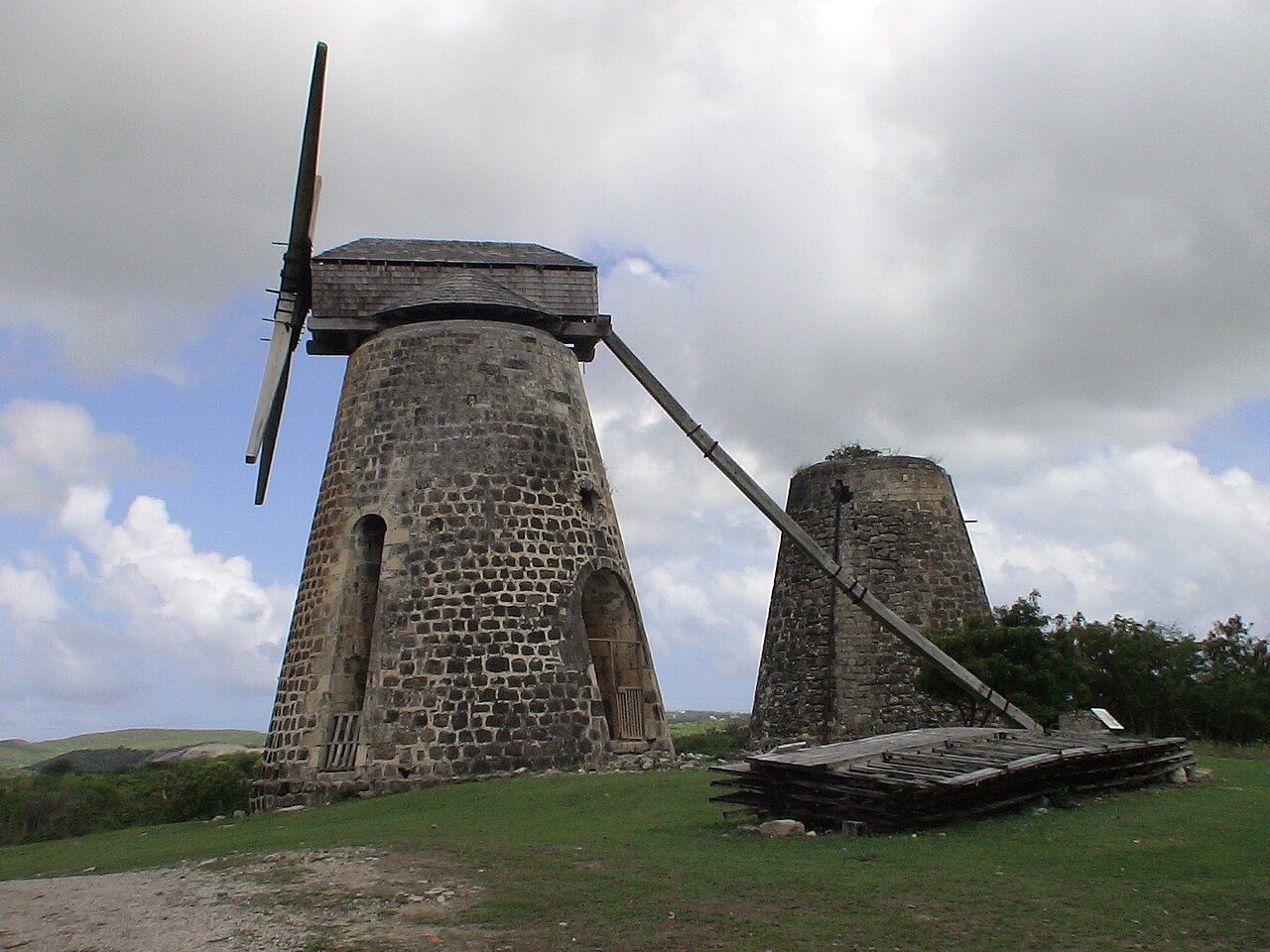
Myth: There’s little to understand beyond what the ruins show. Fact: A small visitor center at the estate explains its history. The mills, the boiling-house ruins and the account of the people who were enslaved there are all part of that history. So the question isn’t only what the towers did, or how cane juice became sugar. It’s also what the estate’s structures can tell us about the plantation era, and whose labor made the sugar operation possible.
There’s a tidy version of the story in which the sails and stonework do all the talking. The fuller version has machinery, an estate founded in the 1650s, a long period of Codrington family ownership, and hundreds of enslaved Africans. It includes a restored windmill and ruins of a boiling house, but doesn’t stop at either. The island’s sugar past is a large subject; here, its parts sit together in one place. For more on the structures, there are the stone mill towers across the island to consider, too.
The numbers: St Peter; 25 minutes from St John’s; two stone towers. The mills handled the sugar; we’ll leave the punchline to the visitor center.
Photo credits: Paul Harrison: Creative Commons BY-SA 4.0; Paul Harrison: Creative Commons BY-SA 4.0; Ragingwhitebuffalo: public domain.


